When an ignition suddenly fails you in a parking lot or on a cold morning, frustration and urgency follow fast. I walk through diagnosis, parts, mobile service options, and what to ask a technician so you leave with a reliable start, not a surprise bill. In many cities a quick search will bring up local options, and you can check availability by visiting vehicle locksmith services to compare response times and services offered, before calling anyone to your vehicle. Read on for signs that mean stop driving and call a pro, and for the checklist I use when choosing a trustworthy ignition technician.
Basic ignition anatomy and the parts that commonly wear out.
An ignition cylinder is a simple mechanical lock married to an electrical switch, and both parts are vulnerable to wear and contamination. I have seen cars where a single worn wafer cost the owner a morning, and others where burned switch contacts meant a full replacement was the only reliable fix. Low-use vehicles often suffer from oxidation inside the switch, while high-mileage cars show tumblers rounded by countless insertions and removals.
Signs that you can repair the cylinder versus when replacement is the safer bet.
If the key is worn and the tumbler can be rekeyed or cleaned, a repair typically costs far less than replacement; if the switch fails intermittently, plan on replacing the whole assembly. On older cars you sometimes find aftermarket replacements that are cheaper but poorly matched to your steering column, which creates fit and security problems. If you have a transponder key system, replacement often requires programming and a controlled process, so factor in labor and diagnostic time.
What you should expect to pay and why prices vary so much.
For budgeting, plan roughly $120 to $400 for common cars, and $400 to $1,200 on vehicles that require dealer keys or VIN-locked transponder programming. I have seen independent locksmiths replace an ignition in 45 minutes on routine cars, and I have seen dealership orders stretch a job into days when special cuts or coding were required. Ask for an itemized quote that separates parts, labor, programming, and call-out fees so you can compare offers fairly.
Choosing a technician: what to ask and red flags to avoid.
A competent technician https://locksmithguidejrhn594.lowescouponn.com/top-rated-emergency-locksmith-affordable-rates will ask vehicle year, make, model, and whether the key has a chip before giving a firm quote; a vague or evasive responder is a red flag. In my experience, technicians who explain the failure mode and show the faulty part before replacing it tend to be more trustworthy than those who do the job without explanation. Also ask whether the locksmith offers mobile service to your location and what the estimated arrival window is, because punctuality tends to predict reliability.
What happens during a mobile ignition replacement visit.
You should expect 30 to 90 minutes on most cars, longer if programming is required or rusted fasteners slow the process. Technicians will often demonstrate the old part so you can see the wear pattern; ask to keep the worn cylinder if you want to compare it later or if you suspect prior tampering. A professional will clean swarf and debris from the keyway before reassembly to reduce the chance of early recurrence.
Keys, transponders, and programming: the extra steps that add time and cost.
If you have a spare working key, reprogramming can be faster and cheaper, whereas lost-all-key scenarios usually cost more because secure reprogramming is required. I have helped drivers save hundreds by confirming whether their car accepts aftermarket programmers before authorizing a dealer-only route. Remember that key fobs with remote unlock, trunk release, or panic buttons are separate systems and may require additional programming time and fees.
Security and anti-theft considerations after replacing an ignition.
Replacing an ignition presents an opportunity to upgrade to a higher-security key or to rekey other locks so all entries use the same key, which simplifies life and reduces lost-key risk. If previous owners left copies of keys with unknown parties, rekeying all entry points can restore control of who can start and enter the car. Save the invoice and photographs of the old part in case you need to dispute workmanship later.
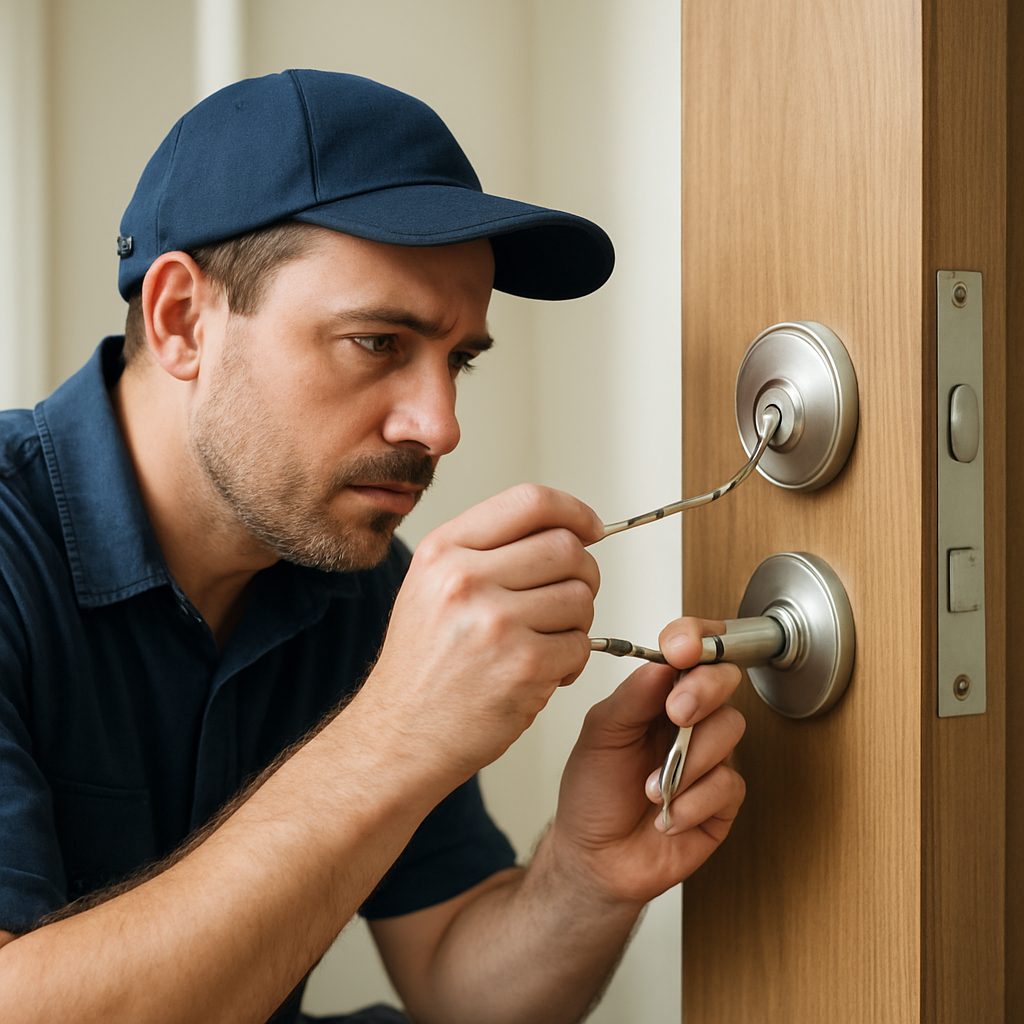
Quick checks that can save time and money before you summon a technician.
Check accessory lights and horn: if those work but the starter does not engage, suspect the ignition switch contacts or the starter circuit instead of the mechanical tumblers. If you have a DIY background, remove the steering column shroud to inspect for obvious damage or loose connectors, but do this only if you are comfortable with trim removal and airbags are not disturbed. Document any unusual sounds, smells, or smoke prior to calling; those details help a technician diagnose whether electrical failure or mechanical wear is primary.
When to prefer each option for ignition replacement.
I recommend a dealer when your vehicle explicitly requires dealer-only programming and you lack any working key, otherwise a qualified mobile locksmith is usually quicker and more cost-effective. If you choose a locksmith, ask for credentials, references, and a written warranty; reputable independents commonly carry manufacturer-level programmers for most late-model cars. If your car has a complex keyless system or integrated security tied to the VIN, the dealer may be the path of least resistance despite the premium.
Small habits that reduce the chance of future failures.
Clean keys and keyways periodically with a dry cloth and use a graphite-based lock lubricant sparingly; avoid oil-based sprays that collect dust. When you notice any wobble, increased force to turn, or intermittent electrical behavior, schedule a technician evaluation rather than waiting for a total failure. If you replaced the ignition, ask your tech whether they recommend any follow-up checks at 3 or 6 months to ensure the new parts bed in correctly.
A short action list of checks and questions to have ready when you phone a technician.
Have your vehicle identification ready, along with the year, make, model, and whether you have a spare key, because those facts determine what the technician brings and whether programming is needed. If you are roadside, note your location and parking constraints so the tech can estimate arrival time and any additional tools they may need to bring. When you follow these steps, you minimize downtime and make a stressful situation routine and repairable.
Locksmith in Orlando, Florida: If you’re looking for a reliable locksmith in Orlando, FL, our company is here to help with certified and trustworthy locksmith services designed to fit your needs.
Locksmith Orlando | Locksmith Unit
- Address: 3725 Conroy Rd, Orlando, FL 32839, United States
- Phone: +1 407-267-5817
- Hours: Open 24 hours
- Website: locksmithunit.com
- Contact Us: Contact Locksmith Unit Orlando, FL
- About Us: About Locksmith Unit Orlando, FL
Connect with us
- Google Business Profile: Locksmith Orlando | Locksmith Unit on Google Maps
- Facebook: Locksmith Orlando | Locksmith Unit on Facebook
- Instagram: Locksmith Orlando | Locksmith Unit on Instagram
- YouTube: Locksmith Orlando | Locksmith Unit on YouTube
- TikTok: Locksmith Orlando | Locksmith Unit on TikTok
- X (Twitter): Locksmith Orlando | Locksmith Unit on X (Twitter)
- LinkedIn: Locksmith Orlando | Locksmith Unit on LinkedIn
- Pinterest: Locksmith Orlando | Locksmith Unit on Pinterest
- Threads: Locksmith Orlando | Locksmith Unit on Threads
- Blogger: Locksmith Orlando | Locksmith Unit on Blogger
- Tumblr: Locksmith Orlando | Locksmith Unit on Tumblr
- Bluesky: Locksmith Orlando | Locksmith Unit on Bluesky
- Band: Locksmith Orlando | Locksmith Unit on Band
- VK: Locksmith Orlando | Locksmith Unit on VK
- Yelp: Locksmith Orlando | Locksmith Unit on Yelp
Worldwide Brand Profiles
- Medium: Locksmith Unit on Medium
- Instapaper: Locksmith Unit on Instapaper
- Diigo: Locksmith Unit on Diigo